What a Decade of Leading Creative Teams Taught Me About Brand
When I started leading creative teams more than ten years ago, I thought the job would primarily be about taste, direction, and quality control. I assumed leadership meant setting the bar, refining the output, and ensuring visual coherence.
Experience changed that perspective.
Working inside fast-scaling companies taught me that brand is not a layer applied at the end of strategy. It is the visible expression of the company’s clarity, ambition, and internal alignment. In entertainment, speed and cultural instinct shaped everything. In health tech, credibility and trust determined perception. In SaaS scale-ups, positioning clarity influenced growth and investor confidence. Different contexts, different pressures, yet the same pattern kept emerging.
The strength of the brand always reflected the depth of thinking behind it.
And that depth was never accidental.

Meaning before aesthetics
In high-growth environments, it is tempting to move quickly toward visuals. Assets are needed. Campaigns must launch. Teams are expanding. But over time I realised that beginning with aesthetics often creates fragmentation later.
When I approach a brand today, I start with intent. What does this company truly stand for? Why does it exist beyond its functionality? What tension does it resolve in the market? What should people feel when they encounter it?
Only once those questions are answered can design become coherent.
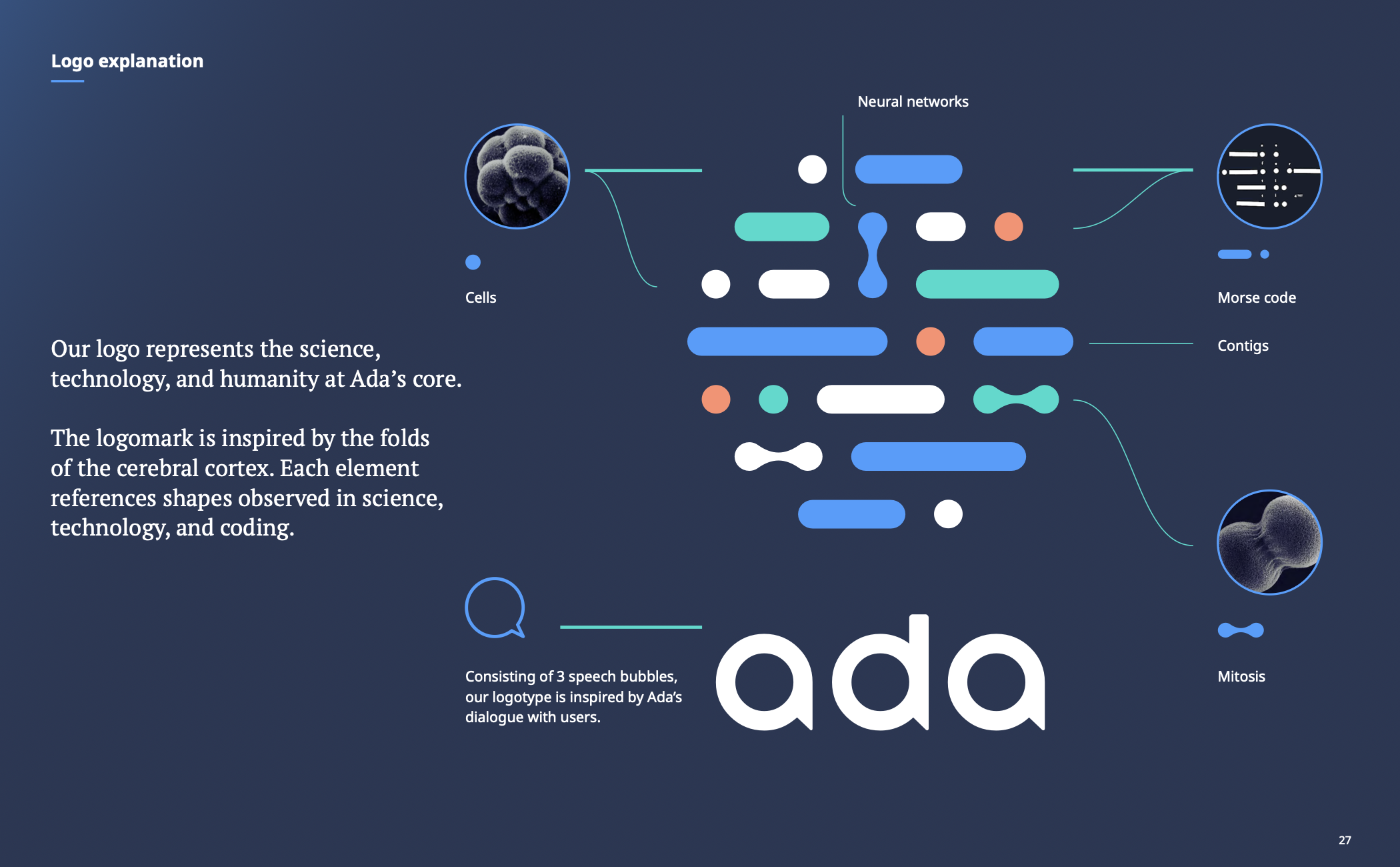
I have long believed that every line should have a reason to exist. Not as a rigid design rule, but as a discipline of clarity. Design is not decoration. It is a language. It translates belief into form. When that translation is intentional, the brand feels grounded. When it is arbitrary, the brand drifts.
Meaning creates structure. Structure creates scalability.
Creative work is emotional work
One of the most important lessons I learned is that creative work is emotional work.
Whether building a brand in healthcare, hiring, entertainment, mobility, or consumer goods, someone in the room carries a personal connection to what is being built. People bring lived experiences, perspectives, and quiet beliefs into the creative process. Those layers shape nuance, empathy, and tone.
But those layers only surface if the environment allows them to.
If the room feels tense or performative, people contribute carefully curated thoughts. They filter themselves. They avoid the half-formed idea. And yet, in my experience, the most defining brand directions rarely arrive fully formed. They often begin as a small remark, an unexpected connection, or a word that shifts the direction of a conversation.
When the room is safe, that word is explored. When it is not, it disappears.
Over the years, I have seen how profoundly the atmosphere of a team influences the depth of the work. Psychological safety is not a soft concept in creative leadership. It is a strategic one.
Depth is built in the room long before it appears on a page.


The creative team as business infrastructure
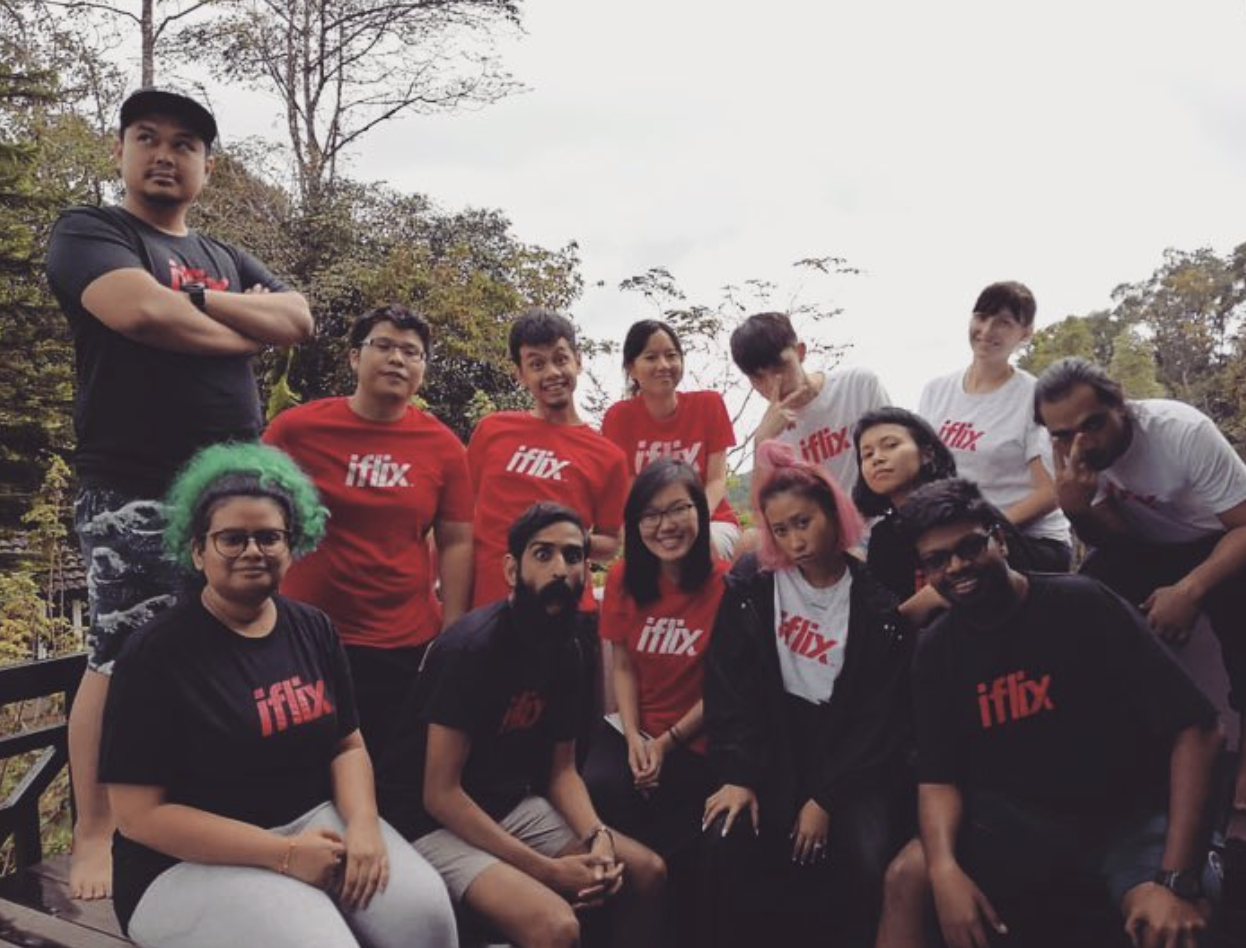
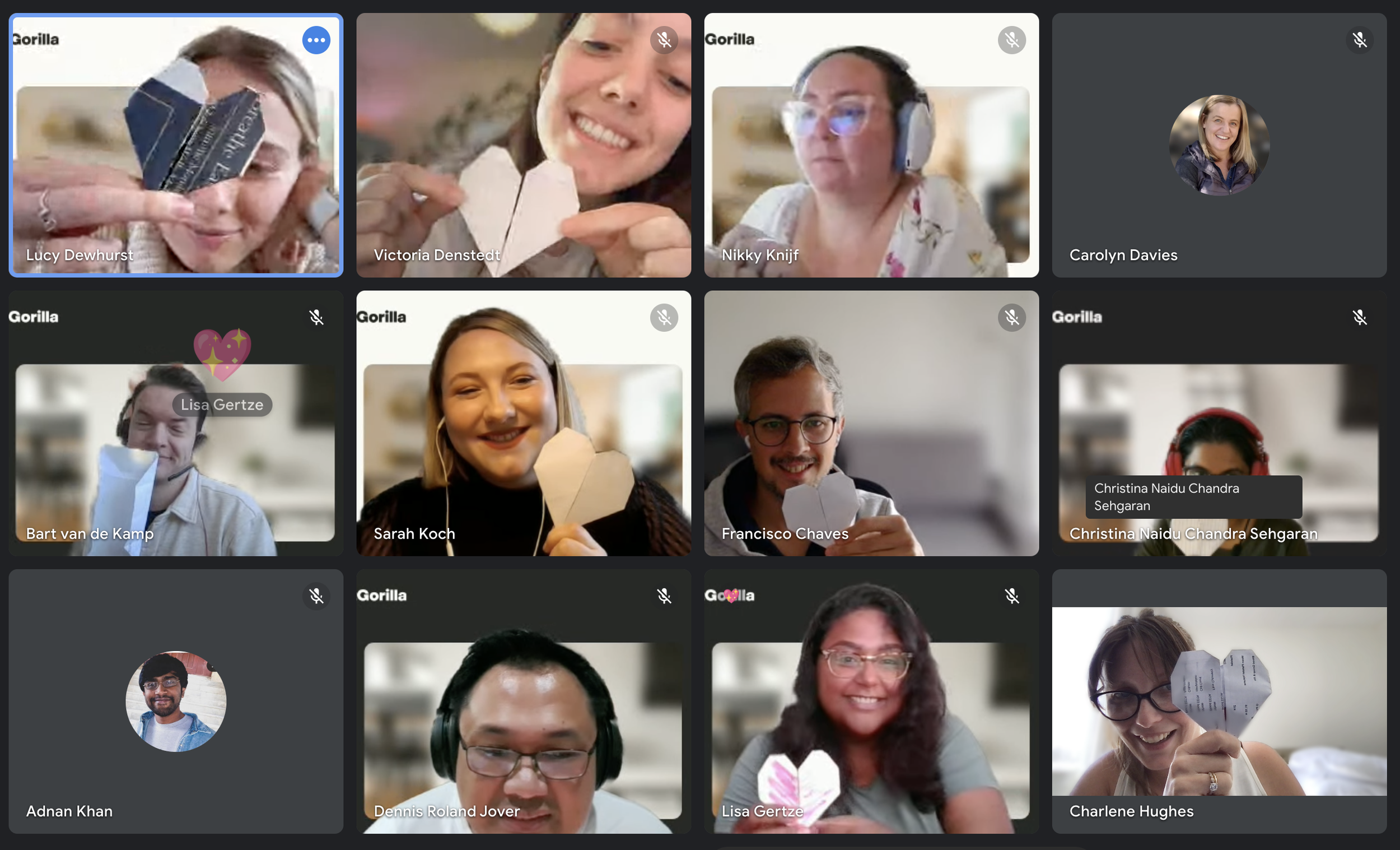
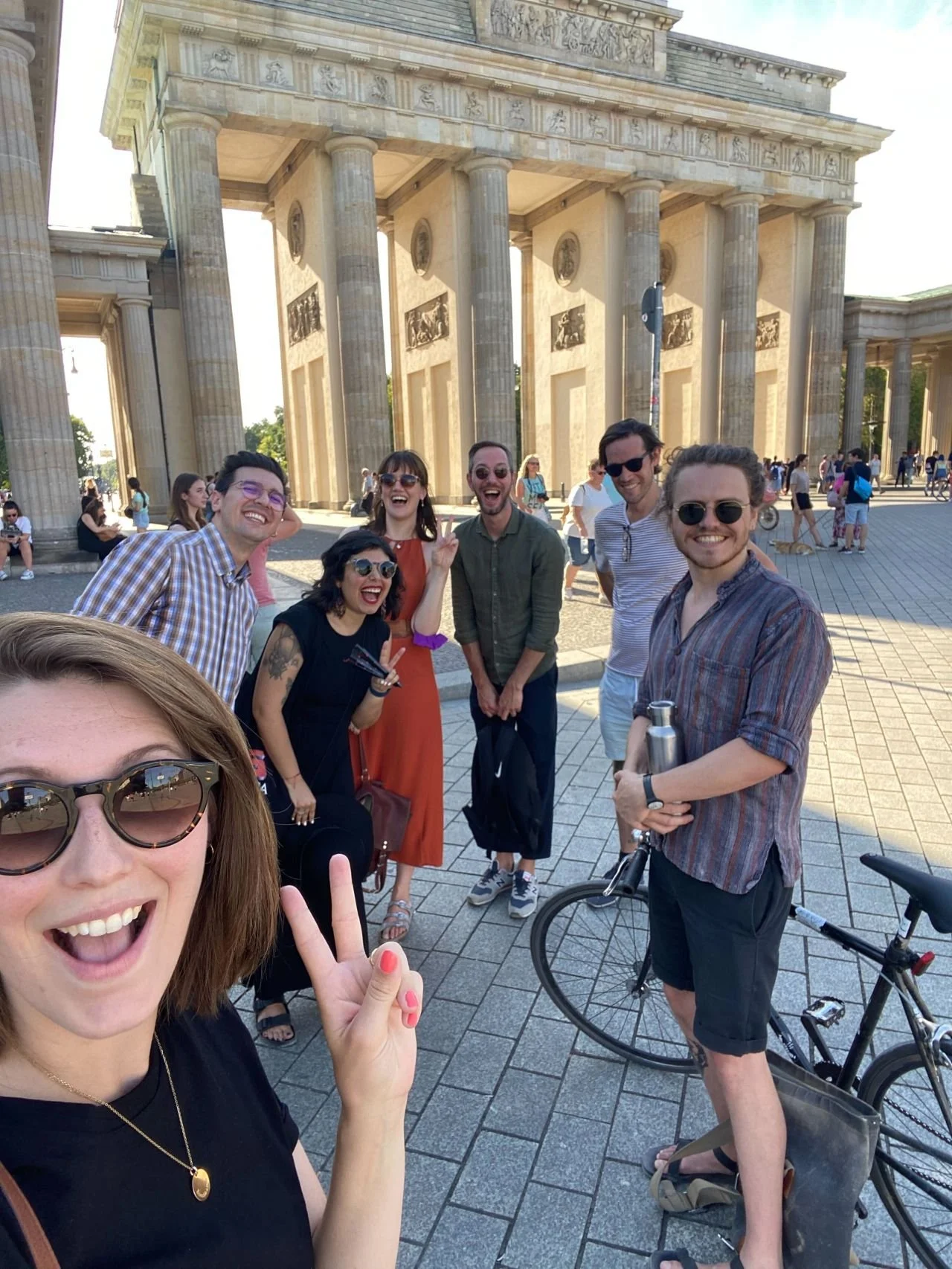
I have never seen creative teams as production engines. Yes, they execute and deliver, but their role is far more structural.
Creative teams are the pulse of the company. They shape how a brand is perceived internally and externally. They translate strategy into experience. They determine whether a company feels coherent, credible, and recognisable.
Without that translation, a product remains functional but emotionally neutral. It may perform, but it does not build attachment. It does not differentiate in memory. It does not create long-term equity.
In regulated environments, I have seen how brand credibility directly affects trust. In competitive SaaS markets, I have seen how distinctiveness accelerates recognition. In entertainment, I have seen how resonance determines relevance. Brand strength and business strength are not separate conversations. They amplify each other.
Holding the room and raising the standard
As my leadership matured, I understood that my role was not to dominate creative direction. It was to hold the room and raise the standard at the same time.
Holding the room means creating an atmosphere where exploration is possible. It means noticing who has not spoken. It means encouraging depth before polish. It means allowing the half-formed thought to evolve before judging it.
Raising the standard means protecting coherence. It means refining, challenging, and guiding the work until it aligns with the brand’s intent. It means helping individuals grow at a pace that respects their ambition. Some team members want acceleration; others seek steady development. Leadership requires recognising both and responding thoughtfully.
In many ways, it resembles conducting an orchestra. The leader does not play every instrument, but ensures harmony. The result is not about individual performance alone, but about collective coherence.

What I learned
Over the past decade, one lesson has remained constant.
Creative leadership is not about producing more. It is about protecting depth in environments that reward speed. It is about aligning emotion and strategy so that design becomes intentional rather than decorative. It is about creating the conditions where people feel safe enough to contribute something real.
When that happens, brands gain substance. And brands with substance do more than attract attention.
They endure.
They build trust.
They differentiate.
And ultimately, they strengthen the business.
That is what a decade of leading creative teams has taught me about brand.
